

Over View of the Centre:
By selecting four themes with specific objectives and outcomes, this center aims to educate and mentor research activities related to Indian Knowledge Systems in the North East India. Except Indian Consciousness Studies, the remaining three themes are directly related to North East India centered. The inter disciplinary approach, and collaboration is the strength of this center. There are four co-PIs from four different departments to bring their expertise and research to work for this center and also fulfil IKS mission. We also aim to collaborate with other North East universities to promote more project proposals from faculty and research scholars. Publication of books, research papers and articles is the priority.
Contribution to the IKS Mission:
By developing mechanisms to educate and mentor in four different themes from the IKS division, this center fulfils the mandate of promoting inter disciplinary and transdisciplinary research in Indian Knowledge systems.
Justification: Being placed in the heart of North East India, Assam University would act as a catalyst in promoting Indian Knowledge Systems with special reference to N-E India. We bring in the expertise of conducting research for the last two decades, and also the experience of handling major projects.
Five Themes of the Projects:
Theme-I: New Approaches to doing Indian Theories of Consciousness
Dr. Munmun Chakraborty, Assistant Professor, Department of Philosophy, Assam University.
Theme-II
Indigenous Models of Sustainable Rural Food Sovereignty in North East India
Prof. Gangabhushan M. Molankal, Department of Social Work, Assam University.
Theme-III
Indigenous Knowledge Practices in Trade and Commerce in North East India
Dr. Joyeeta Deb, Professor, Department of Business Administration, Assam University.
Theme-IV.
Enhanced Nutritional Security and Food Sustainability through Traditional Fermented Foods of North East India.
Dr. Ajita Tiwari, Assistant Professor, Department of Agricultural Engineering, Assam University.
Theme-V.
A Study of Manuscripts in North East India
Prof. Govind Sharma, Department of Sanskrit, Assam University.
Major Activities of the Centre
Two-Day National Seminar “Revisiting the Upaniṣads: Classical and Contemporary Approaches” during 28th & 29th July, 2025
https://www.youtube.com/live/nHWh4F-fORA?si=11QDadS50a3Yts11
Centre for Indian Knowledge System of Assam University, Silchar, organised a two-day national seminar titled “Revisiting the Upaniṣads: Classical and Contemporary Approaches”, bringing together scholars and researchers to examine the philosophical, ethical and contemporary relevance of the Upaniṣads. The seminar programme featured academic sessions addressing consciousness, self and identity, humanism, morality, spirituality, mental well-being and the influence of Upaniṣadic thought on modern society.
The inaugural session included addresses by university dignitaries, including Prof. Gangabhushan M. Molankal, Director, Centre for Indian Knowledge Systems (IKS), Assam University, and the inaugural address by Prof. Asoke Kr. Sen, Vice-Chancellor of Assam University. Prof. Nirmalya Narayan Chakraborty of Presidency University, Kolkata, delivered the keynote address on “Inclusivity, Subjectivity, and the Enchanted World: The Message of the Upaniṣads to the Modern Man.”
The technical sessions explored diverse themes, including the relationship between physics and metaphysics, interpretations of consciousness in the Upaniṣads, Śaṅkara’s philosophy, Upaniṣadic humanism, ethical reasoning, Advaita Vedānta, and the relevance of Upaniṣadic teachings to contemporary challenges. The second day featured both online and offline sessions, enabling wider scholarly participation and facilitating interdisciplinary discussions.
The seminar provided an academic platform for revisiting classical Indian philosophical traditions through contemporary perspectives. It highlighted the continuing relevance of the Upaniṣads in understanding human existence, ethical responsibility, consciousness, spirituality and well-being. The programme also contributed to the promotion of Indian Knowledge Systems in higher education by encouraging scholarly dialogue, critical inquiry and interdisciplinary research.
National Handloom Day – National Seminar on 7th August- 2025
Seminar Itinerary
|
Time |
Event/Segment |
Details/Participants |
Duration |
|
09:00 – 10:30 AM |
Registration |
All participants |
1 hr 30 min |
|
10:30 – 11:45 AM |
Inaugural Ceremony |
1 hr 15 min |
|
|
Chanting of Mantras |
Tania Pyne |
5 mins |
|
|
Welcome Address |
RDM |
3 mins |
|
|
Inviting VC to Dais |
RDM |
1 min |
|
|
Welcoming Dignitaries |
Tania Pyne, RDM, Hridesh Chakraborty |
10 mins |
|
|
Lighting of Lamp + Deep Mantra |
Tania Pyne, Sneha, Shahima (volunteers) |
7 mins |
|
|
Felicitation Ceremony
|
VC, Dean, HOD, Coordinators |
10 mins |
|
|
11:45 – 12:30 PM |
Speeches & Program Launch |
45 mins |
|
|
Welcome Speech |
Head of Department |
3 mins |
|
|
Seminar Briefing |
Coordinator |
3 mins |
|
|
Speech – Dean |
Dean, JNSMS |
5 mins |
|
|
Speech – Chief Guest |
Chief Guest |
7 mins |
|
|
Speech – Keynote Speaker |
Keynote Speaker (Tania Pyne) |
7 mins |
|
|
Speech – Director, IKAS |
Director
|
4 mins |
|
|
Speech – Director, EDC |
Director
|
4 mins |
|
|
Speech – Guest of Honour 1 |
Hridesh Chakraborty |
4 mins |
|
|
Speech – Guest of Honour 2 |
Hridesh Chakraborty |
4 mins |
|
|
Presidential Address |
Vice Chancellor |
4 mins |
|
|
Total Speech Duration |
45 mins |
||
|
Release of Seminar Abstract |
By dignitaries
|
2 mins |
|
|
Release of Book |
By dignitaries |
2 mins |
|
|
Documentary Screening |
Imran / SPC
|
5 mins |
|
|
Vote of Thanks |
Joint Coordinator |
3 mins |
|
|
High Tea |
All Delegates |
15 mins |
|
|
12:30 – 01:30 PM |
Technical Session I |
As per detailed technical agenda |
1 hr |
|
01:30 – 02:30 PM |
Lunch Break |
All participants |
1 hr |
|
02:30 – 04:00 PM |
Technical Session II |
As per detailed technical agenda |
1 hr 30 min |
|
04:00 – 06:00 PM |
Cultural Program |
2 hrs |
|
|
Group Song |
Student Performers |
10 mins |
|
|
Solo Song |
Student Performers |
10 mins |
|
|
Group Dance |
Cultural Team |
20 mins |
|
|
Ethnic Dress Competition |
Registered Contestants |
1 hr 20 mins |
|
|
06:00 – 06:30 PM |
Valedictory Session |
30 mins |
|
|
Summary of Proceedings |
Convenor / Coordinator |
5 mins |
|
|
Valedictory Address
|
Chief Guest / Guest of Honour |
10 mins |
|
|
Certificate Distribution (if any) |
All Dignitaries |
10 mins |
|
|
Final Vote of Thanks |
Joint Coordinator |
5 mins |
Two-Day National Seminar “Revisiting the Upaniṣads: Classical and Contemporary Approaches” during 28th & 29th July, 2025
https://www.youtube.com/live/nHWh4F-ORA?si=11QDadS50a3Yts11
Centre for Indian Knowledge System of Assam University, Silchar, organised a two-day national seminar titled “Revisiting the Upaniṣads: Classical and Contemporary Approaches”, bringing together scholars and researchers to examine the philosophical, ethical and contemporary relevance of the Upaniṣads. The seminar programme featured academic sessions addressing consciousness, self and identity, humanism, morality, spirituality, mental well-being and the influence of Upaniṣadic thought on modern society. Theinaugural session included addresses by university dignitaries, including Prof. Gangabhushan M. Molankal, Director, Centre for Indian Knowledge Systems (IKS), Assam University, and the inaugural address by Prof. Asoke Kr. Sen, Vice-Chancellor of Assam University. Prof. Nirmalya Narayan Chakraborty of Presidency University, Kolkata, delivered the keynote address on “Inclusivity, Subjectivity, and the Enchanted World: The Message of the Upaniṣads to the Modern Man.”The technical sessions explored diverse themes, including the relationship between physics and metaphysics, interpretations of consciousness in the Upaniṣads, Śaṅkara’s philosophy, Upaniṣadic humanism, ethical reasoning, Advaita Vedānta, and the relevance of Upaniṣadic teachings to contemporary challenges. The second day featured both online and offline sessions, enabling wider scholarly participation and facilitating interdisciplinary discussions. The seminar provided an academic platform for revisiting classical Indian philosophical traditions through contemporary perspectives. It highlighted the continuing relevance of the Upaniṣads in understanding human existence, ethical responsibility, consciousness, spirituality and well-being. The programme also contributed to the promotion of Indian Knowledge Systems in higher education by encouraging scholarly dialogue, critical inquiry and interdisciplinary research.
National Seminar on Philosophy of Life in the Light of Upaniṣads
https://www.youtube.com/live/_we1a7F62ss?si=zWxiPWMFLXPUWyUe
The National Seminar on “Philosophy of Life in the Light of Upaniṣads” focused on the philosophical and ethical foundations of human life as reflected in the Upaniṣads, one of the most significant sources of India’s classical philosophical traditions. The Upaniṣads explore fundamental questions concerning human existence, the nature of the self, consciousness, ultimate reality, knowledge and liberation. Their teachings provide an important foundation for reflecting on the purpose of life, the development of wisdom and the relationship between individual conduct and a deeper understanding of existence.
A central dimension of this theme is the Upaniṣadic emphasis on self-knowledge. The exploration of Ātman, or the self, encourages individuals to move beyond a purely external understanding of life and examine the deeper dimensions of human experience. The Upaniṣadic tradition also invites reflection on the relationship between the individual self and ultimate reality, especially through philosophical inquiries into Brahman, consciousness and the unity underlying existence.
The seminar theme is relevant to contemporary society, where individuals increasingly encounter challenges relating to stress, uncertainty, ethical decision-making and the search for meaning. Upaniṣadic philosophy provides a framework for discussing self-awareness, restraint, reflection, wisdom and responsible living. These ideas can contribute to academic discussions on personal development, ethical leadership and holistic well-being without reducing the philosophical teachings of the Upaniṣads to simple self-help techniques.
From the perspective of Indian Knowledge Systems (IKS), the seminar highlights the importance of studying classical Indian texts as living intellectual traditions. Their philosophical ideas can be examined through contemporary perspectives in philosophy, education, ethics and consciousness studies. Such engagement can help students and researchers appreciate the richness of Indian philosophical thought while critically investigating its relevance to present-day concerns.
The seminar also underscores the importance of preserving and disseminating India’s philosophical heritage through higher education. By encouraging scholarly engagement with the Upaniṣads, such initiatives can strengthen philosophical inquiry, promote intercultural dialogue and create opportunities for interdisciplinary research into the meaning and purpose of human life.
Major areas of relevance: Upaniṣadic philosophy, self-knowledge, consciousness, ethics, the purpose of life, holistic well-being and the contemporary relevance of Indian philosophical traditions.
Seminar recording: Watch on YouTube
National Seminar on Advaita Metaphysics and Creation Theory
https://www.youtube.com/live/gGSZnnOmiqA?si=V76Qa9uf4zrvz4kB
The National Seminar on “Advaita Metaphysics and Creation Theory” focused on the metaphysical foundations of Advaita Vedānta and its philosophical understanding of reality, existence and the manifested universe. Advaita Vedānta is one of India’s major philosophical traditions and is particularly associated with the teaching of non-duality. Its metaphysical inquiry centres on the nature of Brahman, the status of the experienced world and the relationship between ultimate reality and individual experience.
A key philosophical question within Advaita Vedānta concerns the relationship between Brahman, understood as ultimate reality, and the world of plurality experienced through everyday life. Advaita examines how the apparent multiplicity of existence can be understood in relation to the non-dual nature of reality. Concepts such as māyā, avidyā and the distinction between ultimate and empirical perspectives are important to this inquiry. These concepts provide a philosophical vocabulary for examining how human beings understand the world, distinguish appearance from reality and develop knowledge of existence.
The theme of creation theory also opens a broader discussion about the origin and nature of the universe. Within Advaita Vedānta, the explanation of the experienced world is closely connected with questions of causality, manifestation, knowledge and the status of plurality. These questions differ from empirical scientific explanations of cosmological origins. Accordingly, an academic exploration of Advaita metaphysics can contribute to philosophical reflection on creation without assuming that classical metaphysical concepts are identical to modern scientific theories.
The seminar’s subject is significant for Indian Knowledge Systems because it provides an opportunity to study traditional Indian metaphysics in its original conceptual and intellectual context. It encourages examination of classical texts, philosophical arguments and interpretative traditions that have shaped Indian discussions of reality and consciousness. It can also facilitate dialogue among scholars of philosophy, Sanskrit, religion and other disciplines concerned with fundamental questions about existence.
The contemporary relevance of Advaita metaphysics extends to debates about consciousness, the relationship between subject and object, the nature of knowledge and the limits of ordinary perception. A careful study of these themes can deepen philosophical understanding and encourage comparative engagement with other intellectual traditions.
Overall, the seminar theme highlights the contribution of Advaita Vedānta to the history of metaphysical thought in India. It offers an important platform for examining classical theories of reality and creation, encouraging critical interpretation and promoting the academic study of Indian philosophical systems.
Major areas of relevance: Advaita Vedānta, non-duality, Brahman, māyā, causality, metaphysics, creation theory and philosophical understandings of reality.
Seminar recording: Watch on YouTube
National Seminar on Philosophy of Advaita Vedanta
https://youtu.be/qLbVKJXDuJM?si=T9pVC4897YYr14yl
The National Seminar on “Philosophy of Advaita Vedānta” featured a presentation by Prof. Santha Kumari B. R., as identified in the title of the available video recording. The seminar focused on Advaita Vedānta, a major school of Indian philosophy that articulates the principle of non-duality and examines the relationship between the individual self, ultimate reality, knowledge and liberation. Advaita Vedānta is particularly associated with the philosophical tradition of Ādi Śaṅkarācārya, whose interpretations of the Upaniṣads, the Bhagavad Gītā and the Brahma Sūtras have played a major role in shaping its intellectual development. The tradition examines the relationship between Ātman, the self, and Brahman, ultimate reality. Its central philosophical teaching is that the apparent distinction between the individual self and ultimate reality must be understood through the pursuit of knowledge and the removal of ignorance.
An important aspect of Advaita Vedānta is its emphasis on jñāna, or knowledge, as the means of recognising the nature of reality. Rather than treating liberation merely as an external achievement, the tradition explores how a deeper understanding of the self and existence can transform one’s perception of the world. Its discussions of ignorance, knowledge, consciousness and liberation have generated extensive philosophical debate within Indian intellectual traditions.
The study of Advaita Vedānta is relevant to contemporary academic inquiry in several ways. Its analysis of consciousness and the knowing subject can contribute to philosophical discussions concerning the nature of experience, identity and self-awareness. Its ethical and spiritual implications can also be examined in relation to questions of human conduct, detachment, responsibility and the pursuit of wisdom.
From the perspective of Indian Knowledge Systems, the seminar provides an opportunity to understand Advaita Vedānta as a sophisticated philosophical tradition rather than merely as a religious doctrine. Its methods of interpretation, logical argumentation and engagement with foundational texts demonstrate the richness of India’s intellectual heritage. The seminar also supports the broader objective of bringing classical Indian philosophy into contemporary higher education. Through scholarly presentations and discussion, such academic engagements can encourage students and researchers to explore primary texts, examine different philosophical interpretations and investigate the continuing relevance of Indian thought.
Major areas of relevance: Ādi Śaṅkarācārya, non-duality, Ātman and Brahman, consciousness, self-knowledge, philosophical reasoning and liberation.
Seminar recording: Watch “Philosophy of Advaita Vedānta” on YouTube
National Seminar on Indic Storytelling traditions: An Overview
https://www.youtube.com/live/kvkT5ABO5ik?si=nYsLxtyAHQCF5jYm
The National Seminar on “Indic Storytelling Traditions: An Overview” focused on India’s diverse narrative heritage and the role of storytelling in preserving, transmitting and interpreting knowledge across generations. Storytelling has long been an important medium of communication within Indian society, serving as a vehicle for cultural memory, ethical reflection, philosophical ideas, historical experiences and community traditions.
Indic storytelling traditions encompass a wide range of literary and oral forms, including epics, purāṇic narratives, folk tales, legends, devotional stories, performance traditions and community-based oral histories. These forms differ in language, style, setting and cultural context, but many share a capacity to communicate complex ideas through accessible narratives. Stories can convey moral dilemmas, social values, philosophical questions and practical knowledge while creating connections between generations. A significant dimension of Indian storytelling is its relationship with the transmission of knowledge. Narratives from the Rāmāyaṇa, the Mahābhārata, the Purāṇas and regional traditions have served as important resources for discussing duty, justice, compassion, courage, leadership and social responsibility. Their interpretations have evolved across communities and historical periods, reflecting the diversity of India’s intellectual and cultural landscape.
Oral storytelling is especially important because knowledge is not always preserved exclusively through written texts. Many communities transmit their histories, ecological knowledge, customary practices, beliefs and social experiences through spoken narratives, songs, performances and collective memory. These traditions can provide valuable insights into local histories and ways of understanding the world. The seminar’s theme is particularly relevant to Indian Knowledge Systems because it broadens the scope of IKS beyond classical textual traditions. It draws attention to the importance of oral, performative and community-based knowledge, recognising that India’s knowledge heritage is preserved through multiple forms of expression.
The study of storytelling also has contemporary applications in education, cultural documentation, heritage conservation and community engagement. Narratives can support culturally responsive teaching, promote intergenerational dialogue and provide opportunities for younger generations to engage with their cultural heritage.
At the same time, documenting these traditions requires sensitivity to the communities that preserve them, including respect for local languages, cultural ownership and the contexts in which stories are shared.
Overall, the seminar highlights storytelling as an important field of interdisciplinary research connecting literature, philosophy, anthropology, folklore, history and cultural studies. It encourages the systematic study of India’s narrative traditions and their continuing relevance to cultural identity, education and knowledge transmission. Major areas of relevance: Indian narrative traditions, oral literature, epics, folklore, cultural memory, indigenous knowledge, intergenerational learning and heritage preservation.
Seminar recording: Watch “Indic Storytelling Traditions: An Overview” on YouTube
National Seminar on Gayana: The Oral Storytelling tradition of the Rathwas of Eastern-Central Gujarat,
https://www.youtube.com/live/w41i3yamQQI?si=rAWSJ-zVlx2Y739h
The National Seminar on “Gayana: The Oral Storytelling Tradition of the Rathwas of Eastern-Central Gujarat” focused on a specific indigenous oral storytelling tradition associated with the Rathwa community of Gujarat. The theme draws attention to the importance of community-based knowledge systems and the role of oral narratives in preserving cultural memory, collective identity and traditional forms of expression. Oral traditions are significant components of India’s intangible cultural heritage. In many indigenous communities, knowledge is transmitted through spoken narratives, songs, ritual performances, customary practices and interactions between older and younger generations. These forms of communication preserve not only stories but also understandings of community history, social relationships, cultural values and the relationship between people and their surroundings.
The focus on Gayana provides an opportunity to recognise the importance of studying indigenous knowledge traditions within their specific cultural and social contexts. Rather than treating oral storytelling simply as entertainment, an academic study can examine its possible roles in community memory, the transmission of values, collective identity and the preservation of cultural knowledge. The specific functions and content of Gayana, however, require confirmation through the seminar recording and relevant ethnographic documentation.
The seminar is particularly important in the context of documenting and safeguarding indigenous knowledge. Oral traditions can be vulnerable to disruption when community languages decline, traditional forms of performance become less common or younger generations lose opportunities to learn from knowledge holders. Systematic documentation, undertaken with the participation and consent of the communities concerned, can help preserve these traditions while respecting their cultural significance.
The study of Gayana also broadens the understanding of Indian Knowledge Systems by highlighting the contribution of indigenous communities to India’s diverse knowledge heritage. IKS includes not only philosophical and textual traditions but also locally transmitted knowledge, cultural practices, oral histories and community-based systems of understanding. These traditions deserve serious academic attention because they offer distinctive perspectives on history, identity, culture and the transmission of knowledge.
From a research perspective, the seminar’s theme can encourage collaboration among scholars of folklore, anthropology, cultural studies, linguistics and indigenous knowledge systems. Audio-visual documentation, oral-history interviews, community archives and multilingual publications may help preserve these traditions, provided the work is conducted ethically and in partnership with the community.
Overall, the seminar highlights the importance of recognising and safeguarding indigenous oral storytelling as a valuable component of India’s cultural and intellectual heritage. It also reinforces the need for inclusive approaches to IKS research that acknowledge the knowledge, agency and contributions of indigenous communities. Major areas of relevance: Rathwa cultural heritage, Gayana, oral storytelling, indigenous knowledge systems, cultural memory, community identity, ethnographic research and intangible cultural heritage.
Seminar recording: Watch “Gayana: The Oral Storytelling Tradition of the Rathwas of Eastern-Central
Gujarat” on YouTube
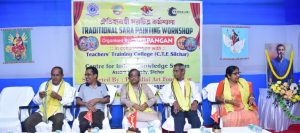
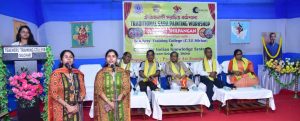
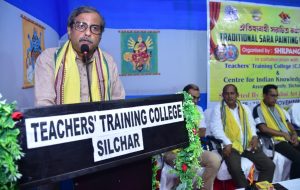
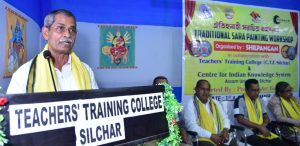
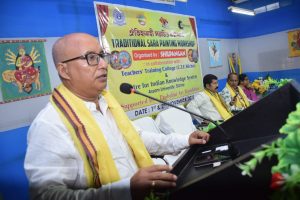
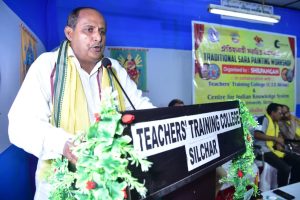
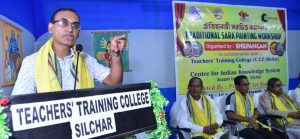
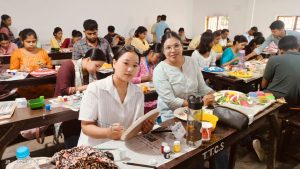

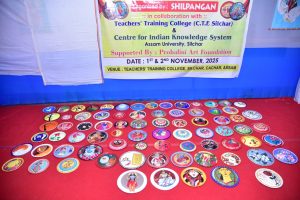
National Seminar on “Indian Knowledge System: Heritage, Innovation and the Future” (10th March 2026)
Assam University, Silchar, hosted a one-day National Seminar on “Indian Knowledge System: Herit age, Innovation and the Future” on 10 March 2026. 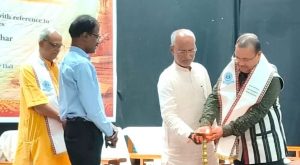 The seminar was organized by the Centre for Indian Knowledge System with reference to Northeast India Studies, Assam University. The event brought together academicians, practitioners, researchers, and students from different parts of the country to deliberate on the relevance, preservation, and contemporary application of India’s rich knowledge heritage. The seminar aimed to provide an academic platform to discuss the philosophical foundations, scientific contributions, and practical relevance of the Indian Knowledge System (IKS) in addressing present-day challenges. Through scholarly discussions and presentations, participants explored how traditional knowledge can be integrated with modern innovations to contribute to sustainable development, community well-being, and intellectual advancement.
Prof. Gangabhushan M. Molankal, Director of the Centre for Indian Knowledge System, Assam University, delivered the welcome address, in which he provided an overview of the objectives and significance of the seminar. He highlighted the need to rediscover, document, and disseminate traditional knowledge systems embedded in Indian civilization and emphasized their potential role in guiding contemporary society toward sustainable and inclusive development. He also underscored the importance of promoting interdisciplinary research on Indian Knowledge Systems, particularly in the context of Northeast India, where indigenous traditions continue to play an important role in shaping local livelihoods and cultural practices.
The inaugural session of the seminar was presided over by Prof. Abdul Razak, Vice-Chancellor (In-Charge), Assam University. In his presidential address, he reflected on India’s profound heritage of knowledge and its historical contributions in diverse fields such as science, technology, mathematics, astronomy, astrology, medicine, philosophy, and governance. He emphasized that the intellectual legacy of ancient India continues to inspire modern scientific inquiry and innovation. He further stressed the need for universities to actively promote research and teaching on Indian Knowledge Systems in order to preserve and propagate this invaluable heritage for future generations.
The Chief Guest, Prof. Sukamal Deb, Professor, Assam Downtown University, Guwahati highlighted the contemporary relevance of Indian Knowledge Systems in addressing socio-economic challenges. He emphasized their potential in alleviating the conditions of the rural poor through skill development and livelihood promotion based on traditional knowledge and indigenous practices. He noted that traditional practices in agriculture, health care, and environmental management possess valuable insights that can complement modern development initiatives.
Among the distinguished speakers, Prof. B. K. Behera, Dean of the Jadunath Sarkar School of Social Sciences, spoke on the transformative role of knowledge in empowering marginalized and vulnerable sections of society. He emphasized that access to knowledge and education can serve as a powerful instrument of social empowerment, enabling communities to overcome structural inequalities and actively participate in development processes.
Prof. R. Balakrishnan, Dean of the Ashutosh Mukhopadhyay School of Education, highlighted India’s remarkable achievements in the fields of architecture, traditional engineering, and ancient construction techniques, particularly visible in the historic temples and monuments of southern India. He pointed out that these architectural marvels stand as enduring testimonies to the scientific and artistic excellence of Indian civilization. He stressed that recognizing and studying these achievements can provide valuable insights for addressing contemporary challenges in sustainable design and infrastructure development.
The seminar also featured addresses by several eminent academicians who joined the programme in online mode. Notable among them were Prof. B. T. Lawani, Former Director of Bharati Vidyapeeth University, Pune; Prof. D. P. Singh from Panjab University; and Prof. Ranjit Kumar Verma, Former Vice-Chancellor of Munger University, Bihar. In their addresses, they highlighted the significance of Indian Knowledge Systems in enriching higher education and emphasized the importance of integrating indigenous knowledge traditions into contemporary academic discourse and research.
The seminar witnessed enthusiastic participation from scholars and researchers representing more than twelve states across India, reflecting the growing national interest in the study and promotion of Indian Knowledge Systems. As the seminar was conducted in a blended mode, it enabled both offline and online participation, thereby facilitating wider academic engagement from institutions across the country.
To accommodate the large number of research presentations, the seminar featured six parallel technical sessions, where scholars presented papers on diverse themes related to Indian Knowledge Systems. The presentations covered areas such as traditional health practices, indigenous ecological knowledge, community-based livelihood systems, traditional architecture, education systems, and the role of indigenous
knowledge in sustainable development. These technical sessions provided a vibrant platform for academic exchange, critical discussions, and interdisciplinary dialogue among participants.
The speakers collectively emphasized that India’s knowledge heritage is not merely a matter of historical pride but a valuable intellectual resource that can contribute to solving contemporary societal challenges. They called for greater academic engagement, documentation, and integration of traditional knowledge systems into modern education, research, and policy frameworks. The programme concluded with the distribution of certificates to the participants and presenters, recognizing their valuable contributions to the seminar. Dr. Ajita Tiwari, Department of Agriculture and Technology gave vote of thanks. The event formally came to an end with the singing of the National Anthem, marking the successful culmination of the National
Seminar on “Indian Knowledge System: Heritage, Innovation and the Future.”
One-Day Orientation Programme on Manuscripts
Organised by the Department of Sanskrit and the Centre for Indian Knowledge System, Assam University, Silchar, on 11 March 2026
The Department of Sanskrit, Assam University, Silchar, in collaboration with the Centre for Indian Knowledge System (CIKS), Assam University, organised a One-Day Orientation Programme on Manuscripts on 11 March 2026. The programme was organised with the objective of creating awareness about the historical, cultural, philosophical, and intellectual significance of manuscripts as important repositories of India’s traditional knowledge and civilisational heritage. It sought to familiarise participants with the value of manuscripts in understanding India’s rich intellectual traditions and to encourage greater academic engagement with manuscript studies, preservation, documentation, and research.
Manuscripts constitute an invaluable part of India’s kn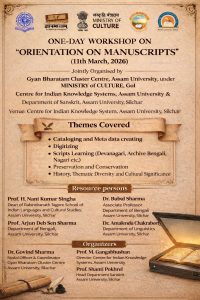 owledge heritage, preserving centuries of intellectual contributions in diverse fields, including philosophy, literature, linguistics, mathematics, astronomy, medicine, agriculture, ecology, religion, and cultural practices. Written in different languages and scripts on materials such as palm leaves, birch bark, handmade paper, and other traditional media, these manuscripts provide insights into the evolution of knowledge systems and the social, cultural, and intellectual life of different communities. The orientation programme highlighted the importance of identifying, preserving, documenting, cataloguing, and interpreting these valuable resources so that their contents can be made accessible to researchers, students, and future generations.
The programme was graced by Prof. Abdul Rasak, Vice-Chancellor-in-Charge, Assam University, as the Chief Guest. The presence of Prof. Piyush Pandey, Director, Internal Quality Assurance Cell (IQAC); Prof. Shanti Pokhrel, Head, Department of Sanskrit; Prof. Govind Sharma, Department of Sanskrit; and Prof. Gangabhushan M. Molankal, Director, Centre for Indian Knowledge System, Assam University, added academic significance to the occasion. Their participation reflected the University’s commitment to strengthening the study of India’s traditional knowledge heritage through institutional collaboration, academic dialogue, and interdisciplinary engagement.
The orientation emphasised that manuscript studies extend beyond the preservation of old texts; they also provide opportunities to recover, interpret, and critically examine the knowledge embedded in India’s intellectual traditions. Manuscripts can serve as important primary sources for understanding historical developments, regional knowledge practices, linguistic diversity, philosophical thought, and traditional approaches to human well-being and environmental sustainability. Their systematic study can contribute to contemporary research while ensuring that traditional knowledge is examined with appropriate historical context, scholarly rigour, and respect for its cultural origins.
The programme also drew attention to the need for strengthening institutional efforts towards manuscript conservation, digital documentation, and the development of accessible research resources. In the contemporary academic environment, the application of digital technologies and interdisciplinary methodologies offers considerable potential for protecting fragile manuscripts, facilitating scholarly interpretation, and making knowledge available to a wider academic and public audience. Such initiatives are particularly relevant for universities seeking to connect classical learning with contemporary research and educational practices.
The collaboration between the Department of Sanskrit and the Centre for Indian Knowledge System reflected the importance of bringing together expertise in classical languages, textual traditions, cultural history, and interdisciplinary research. While the Department of Sanskrit contributes to the scholarly study of classical texts and linguistic traditions, the Centre for Indian Knowledge System seeks to promote a broader understanding of India’s diverse knowledge traditions and their relevance to contemporary society. This collaborative approach can encourage students, research scholars, and faculty members to explore manuscripts as sources of knowledge, cultural continuity, and intellectual inquiry.
The programme was in keeping with the broader objectives of the Centre for Indian Knowledge System at Assam University to promote awareness, documentation, research, and dissemination of India’s traditional knowledge heritage, with due attention to the diverse intellectual and cultural traditions of the Northeast. By encouraging academic engagement with manuscripts, the initiative contributed to strengthening the University’s efforts to preserve and promote India’s knowledge traditions and create opportunities for further research and interdisciplinary collaboration.
Overall, the One-Day Orientation Programme on Manuscripts marked an important academic initiative towards creating awareness of the significance of manuscript heritage and encouraging its systematic study and preservation. The programme reaffirmed the importance of universities as centres for safeguarding historical knowledge resources, fostering research, and transmitting cultural and intellectual heritage to future generations. The joint initiative of the Department of Sanskrit and the Centre for Indian Knowledge System demonstrated Assam University’s continuing commitment to promoting India’s rich knowledge traditions through academic engagement, institutional cooperation, and research-oriented activities.
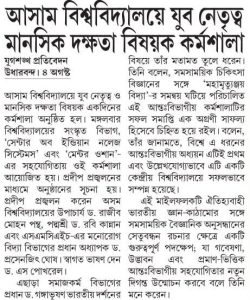
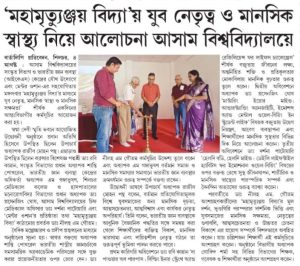
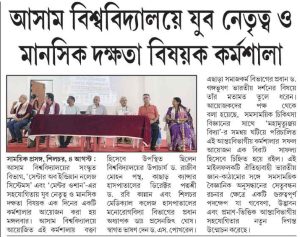
Workshop on Youth Leadership and Mental Performance through Mahamrityunjya Vidya organised by Department of Sanskrit and Centre for Indian Knowledge System in association with Mentor Ocean on 3rd July 2026
A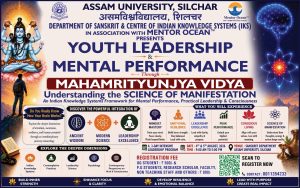 ssam University, Silchar, organised an interdisciplinary programme on Indian Knowledge Systems (IKS), bringing together scholars, academicians, medical professionals and practitioners to explore the convergence of traditional Indian knowledge and contemporary scientific perspectives. As reported in the attached newspaper clipping, the programme was held on Tuesday at Assam University, Silchar, with a focus on youth leadership, mental health, human performance, emotional resilience and holistic well-being.
The programme sought to demonstrate the continuing relevance of India’s intellectual and cultural traditions in addressing contemporary challenges. By integrating the principles of Indian Knowledge Systems with modern scientific approaches, the initiative emphasised the importance of developing a balanced understanding of human well-being, leadership, emotional intelligence and personal development.
The programme was organised by the Department of Sanskrit and the Centre for Indian Knowledge Systems (CIKS), Assam University, in association with Mentor Ocean, an initiative focused on leadership development, faculty mentorship, research scholars and professional development.
Objectives of the Programme
The principal objective of the programme was to explore how Indian Knowledge Systems can contribute to contemporary academic discourse and practical interventions in the fields of mental health, leadership and human development. The major objectives included:
- To explore the convergence of Indian Knowledge Systems and contemporary scientific perspectives.
- To promote awareness of traditional Indian approaches to mental health, emotional resilience and holistic
- well-being.
- To encourage youth leadership and develop the leadership capacities of students and research scholars.
- To examine the relevance of mindfulness, meditation and related practices in managing anxiety, emotional stress and academic pressures.
- To promote interdisciplinary dialogue among Sanskrit scholars, contemporary researchers, medical professionals and leadership practitioners.
- To encourage the integration of Indian Knowledge Systems into higher education, research and professional development.
- To strengthen institutional collaboration and promote innovative academic initiatives that connect India’s traditional knowledge heritage with contemporary societal needs.
Organising Institutions and Collaborating Partners
The programme was jointly organised by the Department of Sanskrit and the Centre for Indian Knowledge Systems (CIKS), Assam University, in association with Mentor Ocean.
The collaboration reflected the importance of interdisciplinary engagement in advancing Indian Knowledge Systems within the university system. The Department of Sanskrit contributed the academic foundation for engaging with India’s classical knowledge traditions, while CIKS provided an institutional platform for exploring their contemporary relevance across disciplines. The association with Mentor Ocean further facilitated engagement with leadership development, mentorship and applied approaches to personal and professional well-being.
The initiative demonstrated how universities can create collaborative platforms that connect traditional knowledge, contemporary research and practical interventions for students and professionals.
Major Sessions and Key Discussions
Mastering Your Mind: Understanding Anxiety, Emotions and Mental Well-being in Student Life
One of the principal sessions was titled “Mastering Your Mind: Understanding Anxiety, Emotions and Mental Well-being in Student Life.” The session addressed the growing importance of mental health and emotional well-being among students, particularly in the context of academic pressures, uncertainty about the future, interpersonal relationships and the challenges of higher education.
During the session, Dr. Ghosh emphasised the significance of emotional resilience and positive mental health among students. The discussion highlighted the need to develop greater awareness of emotional responses and to cultivate the ability to manage anxiety and stress constructively.
The session was particularly relevant to universities, where students and research scholars face multiple academic and personal demands. It underscored the importance of creating supportive educational environments that encourage emotional awareness, psychological resilience and balanced personal development.
The discussion also highlighted the potential relevance of Indian Knowledge Systems in promoting self-awareness, mental discipline and a holistic understanding of human well-being, alongside contemporary scientific perspectives.
The Power of Purpose: Building Inner Strength and Resilience for Life Challenges
Another important session was delivered by Dr. Ravi Kannan on “The Power of Purpose: Building Inner Strength and Resilience for Life Challenges.” The session focused on the importance of purpose-driven living, inner strength and resilience in responding to the challenges of personal and professional life. It emphasised that a clear sense of purpose can help individuals develop perseverance, maintain direction during difficult circumstances and respond constructively to adversity. The discussion also highlighted compassion as an important element of leadership. Effective leadership requires not only professional competence and decision-making abilities but also empathy, responsibility and sensitivity towards the needs of others. The session offered important insights for students, research scholars, teachers and aspiring leaders. It reinforced the relevance of value-based education and holistic personal development in preparing young people to navigate complex social and professional environments.
The Mahamrityunjaya Vidya Framework and Interdisciplinary Engagement
According to the newspaper report, Dr. Neil M. Gautam, founder of Mentor Ocean and co-creator of the Mahamrityunjaya Vidya framework, was among the key contributors to the programme. The programme explored the integration of the Mahamrityunjaya Vidya framework with contemporary scientific perspectives. This approach was presented as an effort to examine traditional Indian knowledge in relation to current understandings of human performance, mental health, emotional well-being and leadership. The initiative sought to encourage dialogue between traditional knowledge traditions and modern scientific approaches rather than treating them as isolated domains of inquiry. Such interdisciplinary engagement can provide opportunities for further academic discussion, research and the development of educational interventions. Any future application of this framework in university teaching or student support would benefit from systematic research, appropriate evaluation methods and careful engagement with relevant scientific evidence.
Participation and Academic Engagement
The programme brought together dignitaries and professionals from different academic and professional backgrounds. The newspaper report mentions the participation of representatives associated with Indian Knowledge Systems, leadership development and medical services. Dr. Darshana Patoa, Medical Officer at Assam University, was also mentioned among the participants. The presence of medical professionals alongside academics and knowledge practitioners reflected the programme’s interdisciplinary orientation. The interaction among participants provided an opportunity to discuss mental health, leadership, emotional resilience and the practical relevance of traditional knowledge approaches within contemporary educational settings. Such initiatives are particularly valuable in higher education institutions because they encourage students and researchers to engage with questions that extend beyond conventional disciplinary boundaries.
Significance of the Programme for Indian Knowledge Systems
The programme represents an important effort to explore the contemporary relevance of Indian Knowledge Systems through interdisciplinary academic engagement. Its significance can be understood in the following areas.
Integration of Traditional and Contemporary Knowledge
Indian Knowledge Systems encompass diverse philosophical, intellectual, cultural and practical traditions. Exploring their relationship with contemporary scientific perspectives can encourage new research questions and enrich academic discussions. The programme provided a platform for examining this relationship in the context of mental well-being, leadership and human development.
Mental Health and Holistic Well-being
Mental health is an important concern in higher education. Academic pressure, career uncertainty and changing social circumstances can affect the emotional well-being of students and research scholars. The discussions on anxiety, emotional awareness and resilience highlighted the importance of addressing student well-being as an integral component of educational development. The programme also drew attention to the potential contribution of Indian knowledge traditions to discussions on self-awareness, inner discipline and holistic development, while recognising the importance of evidence-based approaches to mental health.
Youth Leadership and Value-based Development
The emphasis on purpose, inner strength, resilience and compassion has particular relevance for youth development. These qualities can support responsible decision-making, social engagement and constructive leadership. By connecting leadership discussions with Indian Knowledge Systems, the programme encouraged consideration of ethical values and personal responsibility alongside professional skills.
Promotion of Interdisciplinary Research
The programme brought together perspectives associated with Sanskrit, Indian Knowledge Systems, medical practice, leadership development and contemporary science. Such engagement can encourage collaborative research, interdisciplinary seminars, student projects and future academic programmes. It also provides opportunities to examine how traditional knowledge concepts can be studied, documented and evaluated using appropriate research methodologies.
Role of the Centre for Indian Knowledge Systems, Assam University
The programme highlights the role of the Centre for Indian Knowledge Systems at Assam University as a platform for promoting the study, dissemination and contemporary application of India’s knowledge traditions. Through academic programmes, seminars, workshops and interdisciplinary collaborations, the Centre can facilitate dialogue between classical Indian thought and contemporary academic disciplines. The present initiative is consistent with this broader objective of bringing Indian Knowledge Systems into meaningful engagement with current educational and societal concerns.
The programme also illustrates the potential for collaboration between the Centre and other academic departments, professional organisations and practitioners. Such partnerships can help develop new opportunities for teaching, research, documentation and community engagement.
Recommendations and Future Scope
Building on the discussions and themes reported in the newspaper, the following initiatives may be considered:
1. Academic seminars: Organise a series of interdisciplinary seminars on Indian Knowledge Systems, mental well-being, consciousness, leadership and human development.
2. Student development programmes: Develop workshops for students and research scholars on emotional resilience, stress management, self-awareness and responsible leadership, with appropriate professional support where needed.
3. Interdisciplinary research: Encourage collaborative research involving Sanskrit, social work, psychology, medical sciences, philosophy and other relevant disciplines.
4. Research documentation: Document the concepts and practices discussed during such programmes and examine their contemporary relevance through systematic scholarly inquiry.
5. Faculty development: Organise faculty development programmes on integrating Indian Knowledge Systems into teaching, research and student engagement.
6. Evaluation of interventions: Where specific well-being or leadership frameworks are introduced, assess their outcomes through appropriate research designs and evidence-based evaluation.
7. Institutional collaboration: Strengthen partnerships with other universities, research institutions and professional organisations to promote wider academic engagement with Indian Knowledge Systems.
8. Knowledge dissemination: Prepare reports, academic papers and educational resources documenting the programme’s discussions and key insights for students, teachers and researchers.
Conclusion
The Indian Knowledge Systems programme at Assam University, Silchar, was a significant interdisciplinary initiative focused on connecting India’s traditional knowledge heritage with contemporary concerns relating to mental health, emotional resilience, leadership and human performance.
Organised by the Department of Sanskrit and the Centre for Indian Knowledge Systems, Assam University, in association with Mentor Ocean, the programme brought together perspectives from academic and professional domains. The sessions on understanding anxiety and mental well-being, and on purpose-driven living and resilience, highlighted the importance of holistic human development in higher
education. The reported engagement with the Mahamrityunjaya Vidya framework further illustrated the organisers’ interest in exploring the relationship between traditional Indian knowledge and contemporary scientific perspectives.
Overall, the programme provided an opportunity to strengthen interdisciplinary dialogue and consider the relevance of Indian Knowledge Systems in addressing contemporary educational and societal challenges. Its long-term significance will depend on sustained academic engagement, systematic research, careful
evaluation and the continued development of collaborative initiatives.
Through such efforts, Assam University can further strengthen its contribution to the study and dissemination of Indian Knowledge Systems and promote their meaningful engagement with contemporary education, research and human development.
National Workshop on Animation for Preserving Northeast India’s Folklore and Heritage during 28th Sept – 3rd Oct 2026
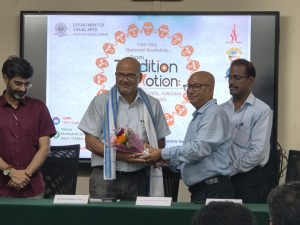
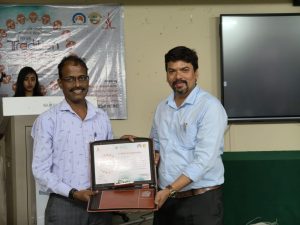
Assam University, Silchar, organised a five-day national workshop titled “From Heritage to Motion: Bringing the Crafts and Folklore of Northeast India to Life through Animation.” The workshop was jointly organised by the Department of Visual Arts and the Centre for Indian Knowledge Systems (CIKS), Assam University, with financial support from the Indian Council of Social Science Research (ICSSR).
The workshop was inaugurated by the Vice-Chancellor of Assam University, Prof. Rajive Mohan Pant, at the Hurmat Ali Barlaskar Seminar Hall of the Department of Mass Communication. The inaugural programme was attended by Prof. Nirmal Kanti Roy, Dean of the School of Creative Arts and Communication Studies and Head of the Department of Visual Arts; Prof. M. Gangabhushan, Director, Centre for Indian Knowledge Systems; Prof. Piyush Pandey, Director of IQAC; and other university faculty members and invited experts.
A total of 60 participants, including undergraduate and postgraduate students, PhD scholars and alumni from the Departments of Visual Arts, Mass Communication and Performing Arts, participated in the workshop. They were organised into 15 groups and guided by animation professionals and academicians in developing scripts based on folk narratives and culturally significant themes. Projects included the local tradition of Nauka Puja (boat worship) and narratives inspired by the historic Silchar Language Movement of 19 May 1961.
The workshop highlighted the potential of animation and digital storytelling as innovative tools for documenting, preserving and disseminating the folklore, traditional crafts and cultural heritage of Northeast India. It also provided participants with opportunities to develop creative skills and explore the use of modern digital technologies in cultural preservation. The initiative represents an important contribution by Assam University and its Centre for Indian Knowledge Systems towards safeguarding regional knowledge traditions and making them accessible to younger generations. It also demonstrated the scope for integrating traditional knowledge, creative arts and emerging technologies through interdisciplinary education and research.
https://lnkd.in/p/dyb3vc6F
Outreach and Extension Activity of the Centre
Field Visit to Sanskrit Speaking Village in Sribhumi district
As part of its outreach and extension activities, the Centre for Indian Knowledge System (CIKS), in collaboration with the Department of Sanskrit, Assam University, Silchar, organised a field visits to Anipur village, a Sanskrit-speaking village in the Sribhumi district of the Barak Valley region of Assam. The visits aimed to explore traditional knowledge associated with Sanskrit, understand its continued relevance in everyday life, and appreciate the efforts of villagers who use Sanskrit as a medium of day-to-day communication. The initiative was designed to provide experiential learning opportunities for youth and to familiarise them with the living traditions of Sanskrit beyond the classroom and conventional academic settings.
Sanskrit is one of India’s important classical languages and has served as a medium for transmitting knowledge in philosophy, literature, linguistics, mathematics, astronomy, medicine, ethics, and other fields. While Sanskrit is often studied primarily as a classical or liturgical language, communities that use it in everyday conversation demonstrate its potential as a living medium of communication and cultural expression. The field visit provided an opportunity to observe this dimension of Sanskrit and to understand how traditional knowledge and language practices can be sustained through community participation.
Objectives of the Visit
The major objectives of the field visits were to:
-
Explore the traditional knowledge, cultural practices, and linguistic heritage associated with Sanskrit in the Barak Valley.
-
Understand how community members use Sanskrit in their day-to-day conversations and social interactions.
-
Appreciate the efforts of villagers in keeping Sanskrit alive as a language of communication.
-
Orient youth towards the significance of India’s classical languages and Indigenous Knowledge Systems.
-
Promote experiential learning by connecting classroom-based knowledge with community experiences.
-
Encourage young people to recognise the importance of preserving linguistic diversity, cultural heritage, and traditional knowledge.
-
Strengthen university–community engagement through outreach and extension activities.
Field Visit and Community Interaction
During the visit, the participants had the opportunity to interact with community members who use Sanskrit in their daily conversations. These interactions offered valuable insights into the ways in which Sanskrit can be incorporated into ordinary communication, social relationships, and community life. The participants observed the importance of regular practice, collective participation, and community-level encouragement in sustaining the use of a classical language.
The villagers’ use of Sanskrit in everyday conversation provided an opportunity for the youth to appreciate the language as more than a subject of academic study. The experience demonstrated how a language can remain relevant when it is practised within families, among neighbours, and in other social settings. The interactions also encouraged participants to reflect on the relationship between language, cultural identity, traditional knowledge, and intergenerational transmission.
The field visit created an opportunity for the youth to learn directly from community members about their experiences of using Sanskrit. It highlighted the role of local initiatives and community participation in maintaining linguistic traditions and promoting interest in India’s classical heritage. The visit also encouraged participants to appreciate the commitment required to sustain a language through everyday practice rather than limiting its use to formal educational or ceremonial contexts.
Orientation of Youth through Experiential Learning
A major component of the visit was the orientation of youth through direct field exposure and interaction with the Sanskrit-speaking community. The initiative sought to move beyond theoretical discussions and provide participants with an opportunity to observe the practical use of Sanskrit in a real-life social environment.
Through this experiential learning process, the youth were encouraged to appreciate the importance of community-based knowledge transmission and the role of language in preserving cultural heritage. They were also sensitised to the significance of documenting local linguistic practices, understanding traditional knowledge in its social context, and recognising communities as important custodians of India’s intellectual and cultural resources.
The visit highlighted the value of field-based learning in higher education. Direct interaction with community members enabled the participants to connect academic concepts with lived experiences and to develop a deeper appreciation of the relationship between knowledge, language, culture, and society. Such activities can also inspire young people to take an active interest in preserving India’s classical languages and promoting awareness of Indigenous Knowledge Systems.
Relevance to the Indian Knowledge System
The field visit was closely aligned with the objectives of the Centre for Indian Knowledge System at Assam University to promote awareness, documentation, and dissemination of India’s diverse knowledge traditions. Sanskrit has historically served as an important medium for preserving and transmitting philosophical, scientific, literary, and cultural knowledge. Its continued use in everyday conversation provides an additional perspective on the living dimensions of India’s linguistic heritage.
The experience also highlighted the importance of community knowledge in understanding the continuity of traditional practices. The villagers’ everyday use of Sanskrit illustrated how language preservation can be supported through social participation, regular communication, and collective commitment. Such community experiences provide opportunities for further academic engagement, documentation, and research into language revitalisation, cultural continuity, and the transmission of traditional knowledge.
The initiative also reflected the importance of outreach and extension activities in connecting the university with communities that preserve and practise distinctive cultural traditions. By bringing youth into direct contact with such communities, the University can help develop greater awareness of India’s knowledge heritage and encourage respectful, research-oriented engagement with local practices.
Outcomes of the Visit
The field visit contributed to creating awareness among youth about the practical use of Sanskrit and the importance of preserving India’s classical language traditions. It provided participants with an opportunity to appreciate the role of community initiatives in sustaining Sanskrit as a language of everyday communication.
The visit also reinforced the value of experiential learning, university–community interaction, and field-based orientation as complementary approaches to higher education. It encouraged reflection on the need to document living linguistic traditions and explore their relevance to contemporary educational and cultural contexts.
Furthermore, the activity opened up possibilities for future collaboration between Assam University and the community in areas such as linguistic documentation, student fieldwork, community-based research, and awareness programmes on Indian Knowledge Systems.
Conclusion
The field visit to the Sanskrit-speaking village in Barak Valley was a meaningful outreach and extension initiative aimed at familiarising youth with the living traditions of Sanskrit and the community practices that sustain its everyday use. The opportunity to interact with villagers who communicate in Sanskrit enabled participants to appreciate the language as a continuing cultural and linguistic tradition rather than merely a classical subject of study.
The visit reaffirmed the importance of experiential learning and community engagement in promoting awareness of India’s traditional knowledge heritage. It also highlighted the potential of such initiatives to encourage youth participation in the preservation of classical languages and the documentation of community-based knowledge practices.
The initiative, undertaken as part of the outreach and extension activities of the Centre for Indian Knowledge System and the Department of Sanskrit, Assam University, Silchar, reflects the University’s commitment to connecting academic learning with community experiences and promoting the preservation, study, and dissemination of India’s rich linguistic and intellectual heritage.
